
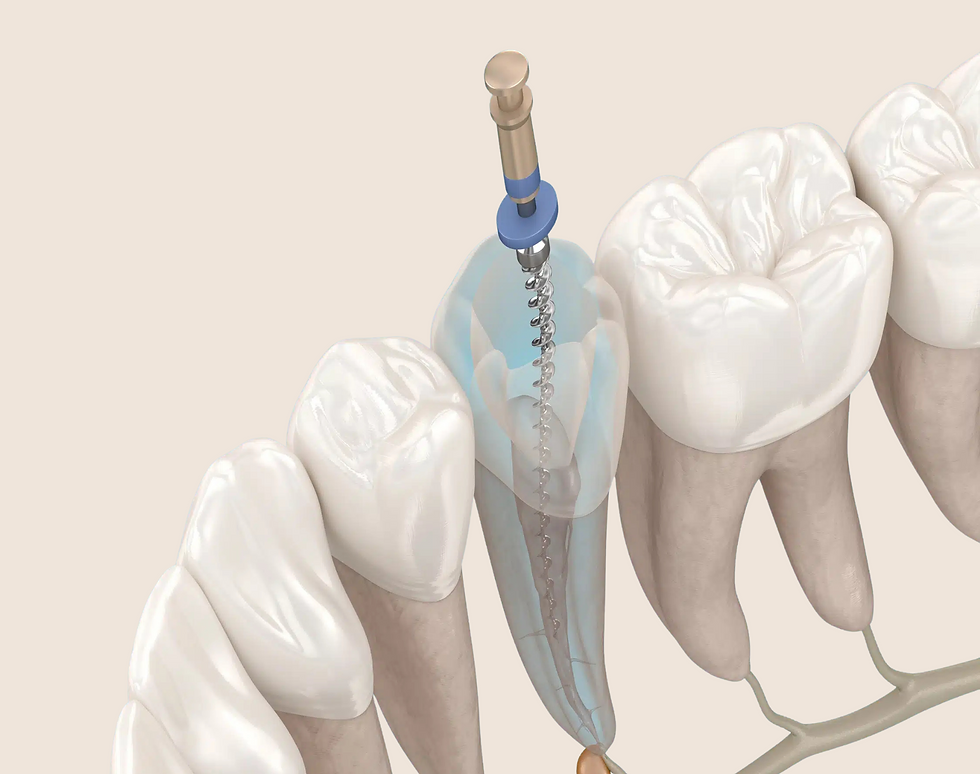
Pulp Therapy is a treatment for children’s teeth with infected or damaged pulp. It removes the diseased tissue while preserving the tooth’s structure, preventing pain, infection, and premature tooth loss, supporting proper chewing, speech, and overall oral development.
Pulp Therapy works by removing infected pulp tissue from inside a child’s tooth. The area is disinfected and sealed to preserve the tooth’s function, relieve pain, and allow natural shedding when it’s time for replacement.
Pulp Therapy helps by saving decayed or damaged baby teeth in children. It relieves pain, preserves the tooth until it’s naturally replaced, and prevents infection, supporting healthy development and maintaining space for permanent teeth to erupt properly.
Pulp Therapy
Pulp Therapy treats infected tooth pulp in children, preserving primary teeth and preventing pain.
Pulp Therapy at Bond Dental Studios in Old Bridge, NJ, is designed for children with decayed or infected baby teeth, preserving function, relieving pain, and ensuring healthy development until permanent teeth erupt naturally.
Pulp Therapy at Bond Dental Studios in Old Bridge, NJ, is often performed on children’s teeth. The procedure removes infected pulp while preserving the tooth, relieving pain, and maintaining oral development, ensuring comfort and long-term dental health for young patients.
Pulp Therapy at Bond Dental Studios in Old Bridge, NJ typically takes 30–45 minutes per tooth. This pediatric procedure preserves baby teeth, relieves pain, and ensures proper spacing for permanent teeth, supporting healthy development and long-term oral health.
Pulp Therapy for children at Bond Dental Studios in Old Bridge, NJ, preserves baby teeth. Parents should monitor for discomfort, maintain good hygiene, and attend follow-up visits to ensure the treated tooth heals properly until it’s replaced naturally.
Pulp Therapy recovery at Bond Dental Studios in Old Bridge, NJ is generally easy for children. Minor soreness resolves quickly, and normal eating resumes fast. Treatment preserves baby teeth, supports development, and protects long-term oral health during childhood growth.


